
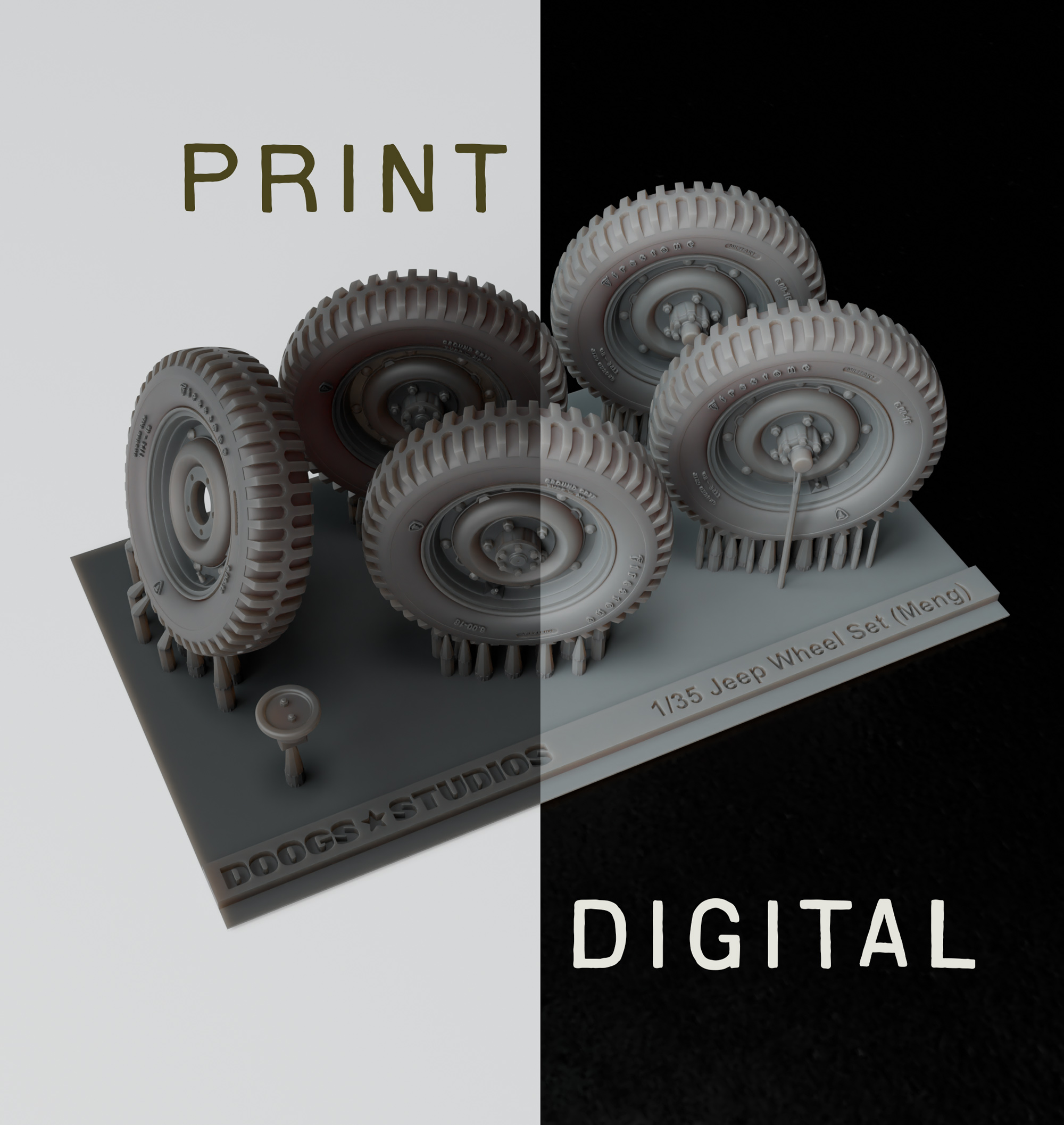
TL;DR:
- Print sales have taken off and eclipsed STLs
- White backgrounds = prints. Black backgrounds = STLs.
- The STL product mix is changing and there won’t be 1:1 parity with print releases
- “Textured” pieces will remain exclusive to print products
When Doogs Models transitioned to Doogs Studios, I had these visions of selling a ton of STL files, supporting a growing base of modelers and miniaturists with 3D printers at home, and keeping my hands out of the grubby fulfillment game.
LOL.
Those visions quickly came face to face with reality. And reality isn’t rampant digital IP theft, but more mundane realities:
- A steady drumbeat of comments and messages asking for physical prints
- A less intense, but still steady, drumbeat of people purchasing STLs thinking they were physical prints, and then wondering when they’d show up
- An unfortunate amount of helping troubleshoot others’ printers. Troubleshooting my own is bad enough!
- The absolute hell (especially for someone with ADHD!) of trying to keep up with customer support across multiple channels. It’s not uncommon for me to discover that, two weeks after the fact, someone has left me a message over on Cults.
- The 3D printer install base among modelers is growing, but I’d be shocked if it’s even in the high single digits.
In the first month I started print operations, print sales immediately eclipsed STLs, and things have only been getting more lopsided since. So if it seems like I’m not as focused on STLs these days, that’s a huge part of why.
It’s also meaning some changes going forward.
Visual Clarity Between Print and Digital
To help avoid confusion (and the subsequent post-sale back and forth), I’m adopting different product image standards between print and digital. I’ve been doing this for some time already, but this is codifying it.
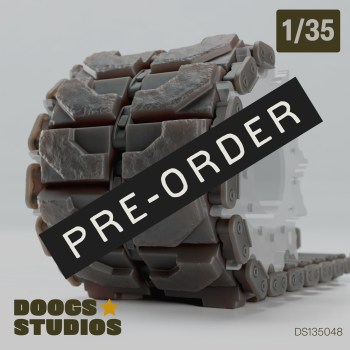
White backgrounds = print products. Dark backgrounds = digital downloads. For example:
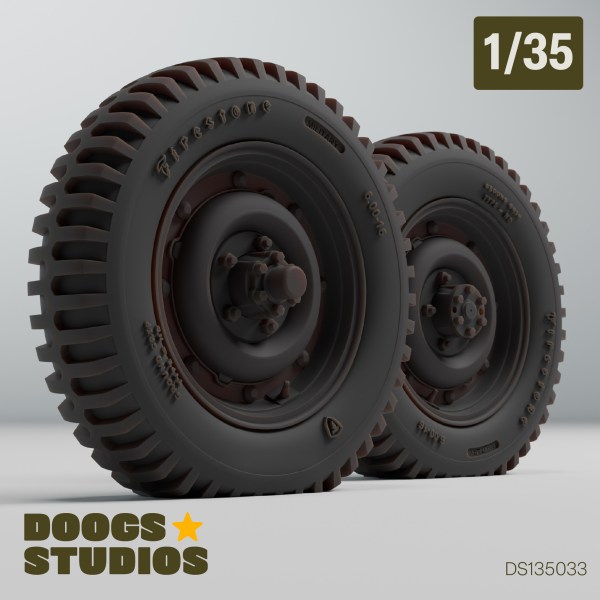
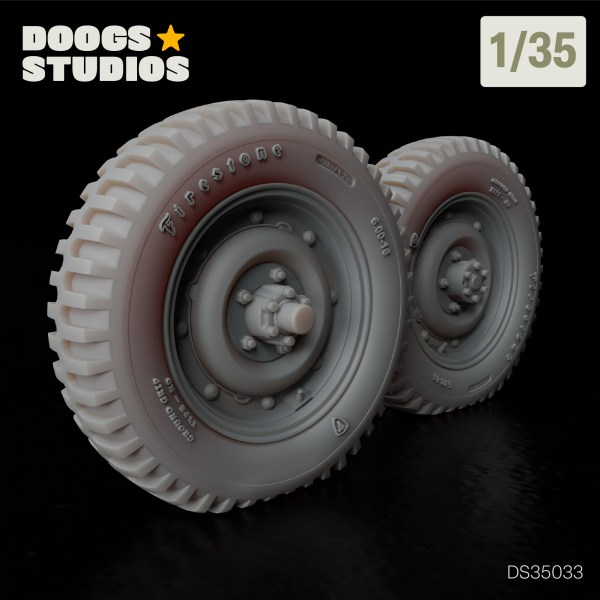
NOTE: Some older products (1/16 Sherman tracks etc) have not yet been updated to the new visual language. I’m getting to it as fast as I can!
You can also tell print from digital by the product number. I don’t expect anybody to do so…it’s more of a bookkeeping thing to help me keep them straight…but it is another way.
- Digital products use a 5-digit number. Like on the above Jeep wheels – DS35033.
- Physical products use a 6-digit number. So DS135033.
Where possible, the digital and print product numbers pace each other. So DS35033 is the digital version of DS135033 and vice versa.
STL Release Changes
Moving forward, there will not be 1:1 parity between print and digital releases. This is for several reasons.
Product asset creation is a real time suck. Every product that I release has a little ecosystem of assets around it. Render files, instructions, packaging labels, product description, and so on. And a digital product requires its own round of renders, frequently its own variation of instructions, separate product description, and a few variations of things for here, Cults, Patreon, etc. I’m already stretched thin, and I would rather devote energy to design time than waiting on more renders.
Uneven sales mix. With print sales massively outpacing STLs, again, it’s a matter of where I invest my time.
Quality assurance. I have full control over the printed products I sell. With STLs, that control ends when they’re downloaded. Overexposed prints, trash resin, and other fun printing variables can warp what my products should be. They can result in track pins that won’t fit, textures and details that don’t resolve, unslightly layer lines and whatever.
IP protection. I’m nowhere near as paranoid about digital IP theft as others, but to say it doesn’t happen would be extremely naive. I still want to offer STLs. Philosophically, I’m a big fan of them. But I also want to protect my work.
To that last point, I believe I’ve found a compromise. Moving forward, the principal dividing line between what gets an STL release and what doesn’t will be texture.
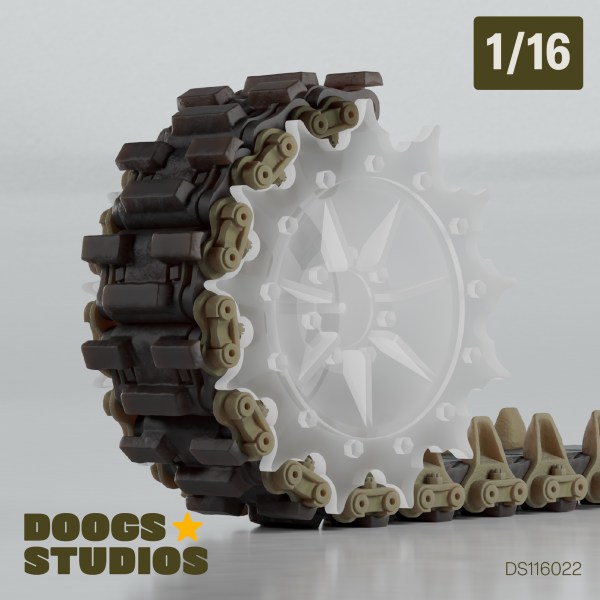
This is most apparent in tracks, but will also come into play with wheels, seats, and all kinds of things. If it’s direct Fusion output, I’ll probably get around to a digital release. But if it’s receiving any kind of texture treatment, it’ll almost certainly stay physical.
The best current example of that is probably the 1/16 Stuart T36E6 tracks. The print version features cast texturing on the links and end connectors. The STL version does not.

Next Steps
Hopefully this clarity will help reduce print/digital confusion and help people understand what’s up with the STL side of the house. Moving forward, a few additional changes may be in store based on how things go from here:
- Stamping DIGITAL FILE on the STL product assets
- Removing digital products from this site to keep the channels clear (they would still be available over on Cults, etc)


Yep I can totally understand where your coming from as a manufacturer.
For me as a overseas customer and the freight rates I have to contend with I am thinking of buying a 3d printer and STL files for my own use. I think as printers become better and not producing so many failures ( operator induced ) there will be a larger market for those STL files eventually.